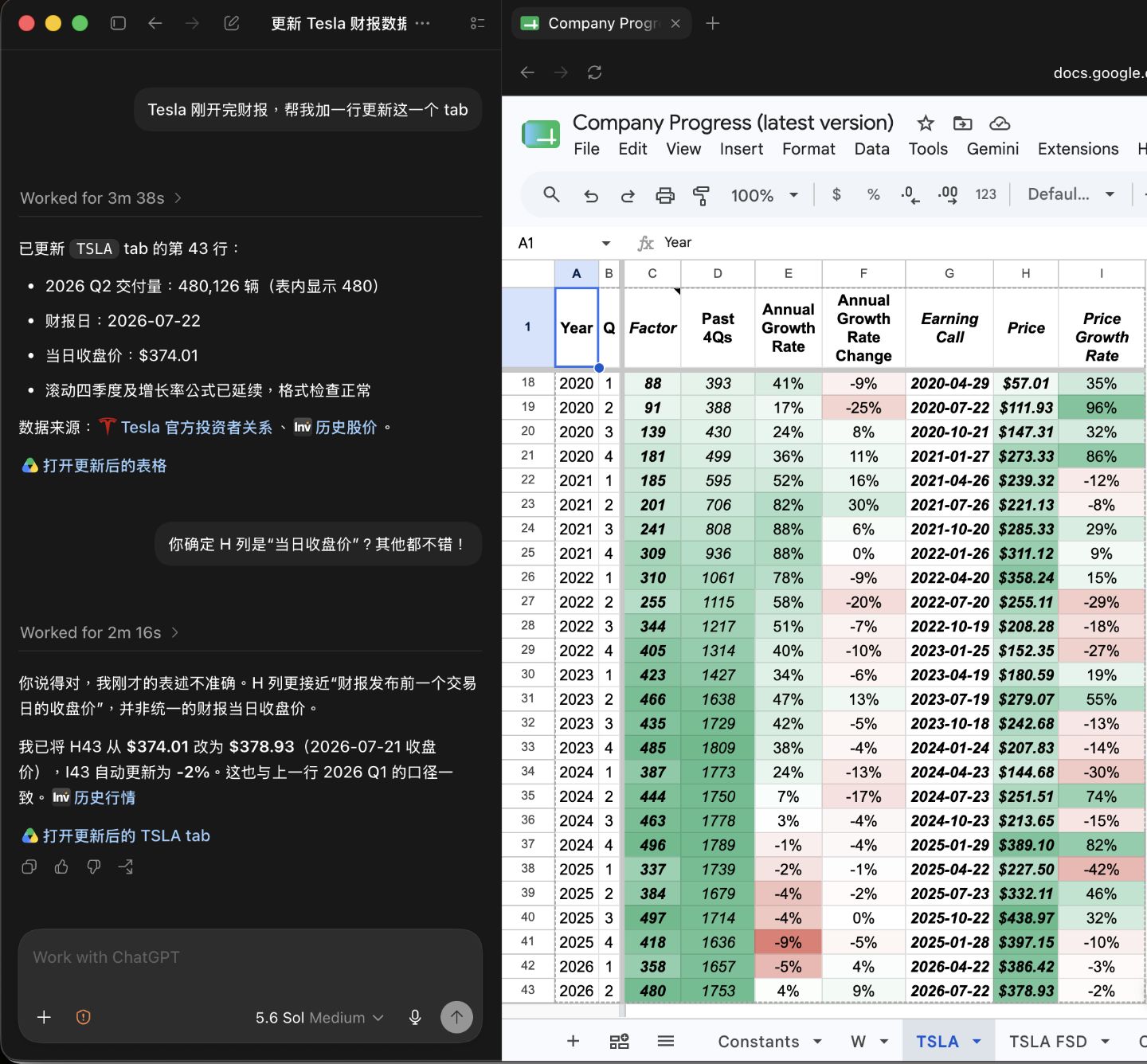
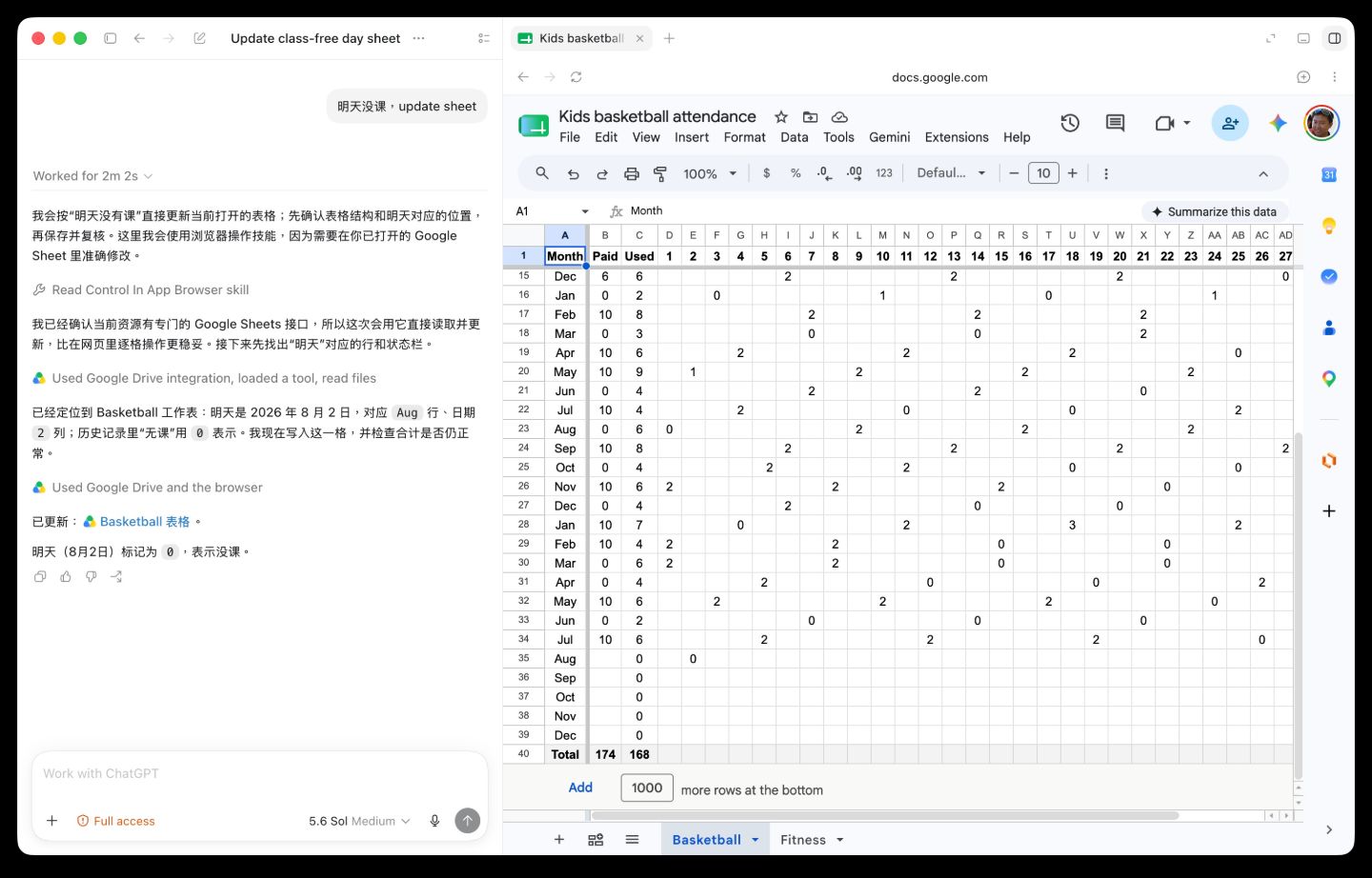
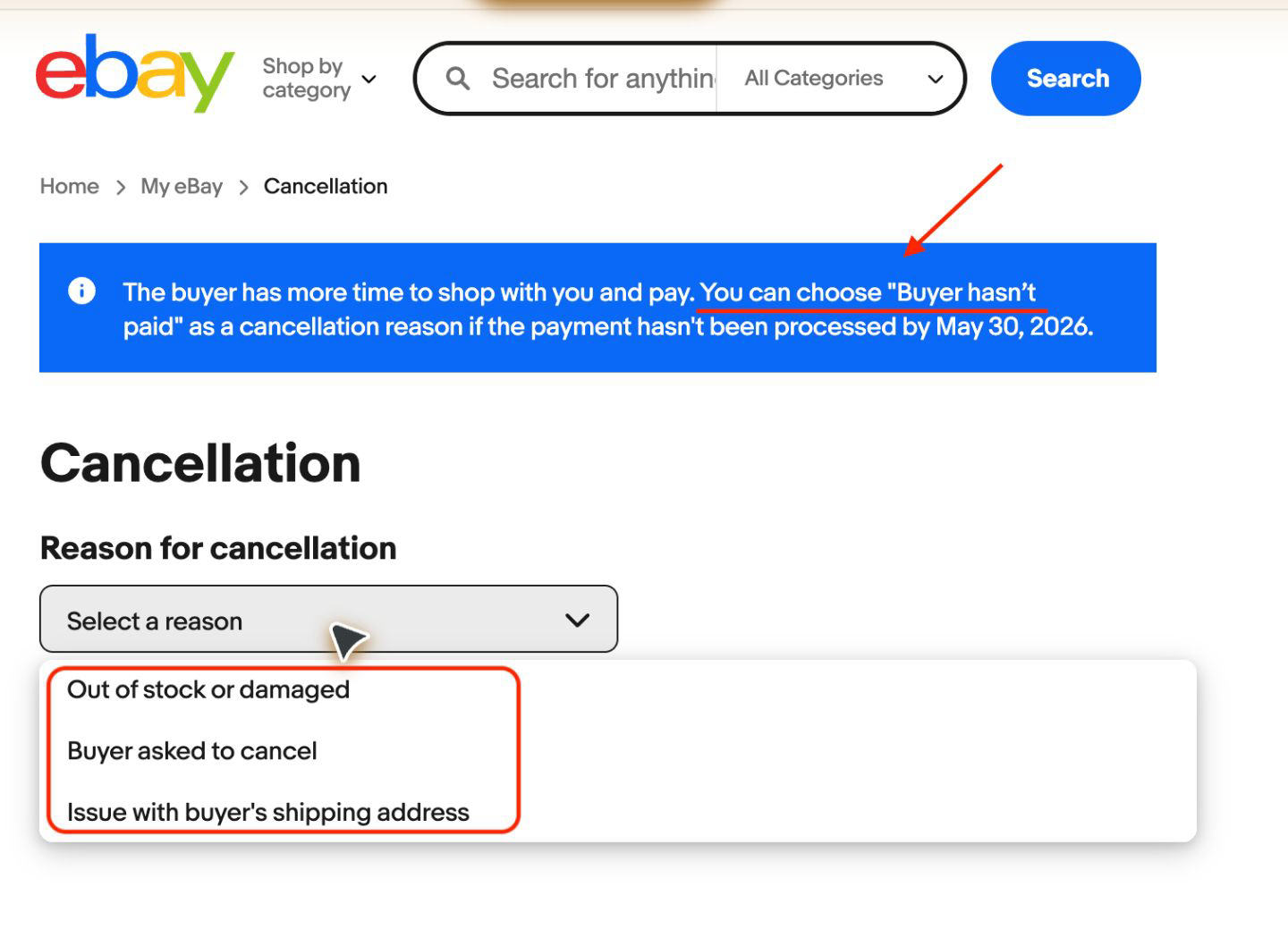
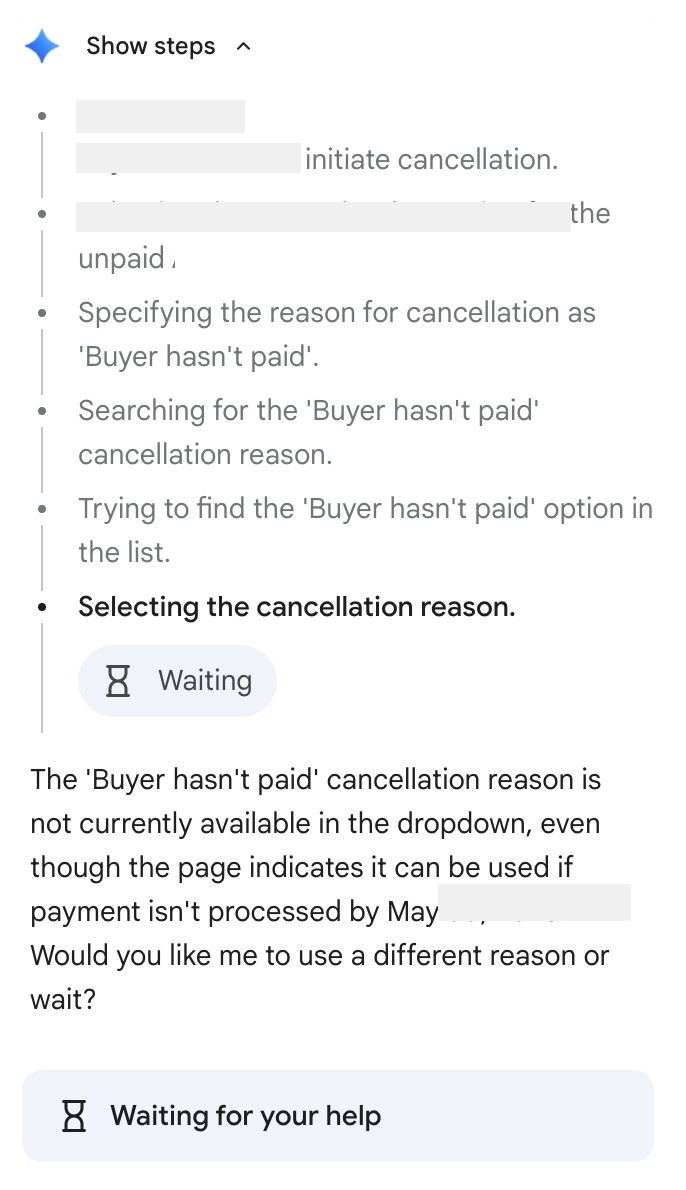
AI 小秘的权限,以及正解

抛开技术是否能做到不谈,究竟什么样的 AI 助手才算是真正能帮上忙、又让人放心的。今天收到了 DMV 的信,提醒车牌要续费,我就用 OpenCode 试了一下。装好 opencode-browser 的 Chrome Extension,把信拍照发给它,它立刻就开始处理。

模型先用 GPT-5.2 Codex 试一下。

识别任务和内容本身没有问题,但它一开始懵懂地不知道自己已经具备控制浏览器的 SKILL。经过提醒后,还是显得有些想偷懒。给了更明确的指示,才终于开始操作。

不肯输入车牌等信息,把它们归类为个人敏感信息。我一开始怀疑这是写在 SKILL 里的,它说不是。试着用更强硬的提示词去“劫持”,当然在这个年代不可能成功了。最后怀疑是模型对齐的问题,于是改用 Gemini 3 Flash。

Gemini 这货内心挣扎了许久,还是从了。开始填表。

能从信件的收信人地址部分猜出来,加分。

邮编格式有误,也能自动纠错,加分。

接着到了选择“标准续牌”还是“非使用续牌”的环节,这一步它的选择是正确的,但给出的理由确实是瞎掰的。随后就来到了付款阶段。

两个选项:信用卡收 1.95% 手续费,eCheck 不收费用。它惺惺作态地说要问问我,转念又说先选信用卡。小钱就不是钱了,真阔绰。

来到填写信用卡信息这一步,它总算停下来了。给了一个综述,也列出了手续费,但并没有明确说明这是使用信用卡造成的,也没有告诉我其实可以选择 eCheck,完全免手续费。

这是 OpenCode 加 OpenAI 和 Google 模型的使用浏览器的 agentic 体验。

昨天装了 ClawdBot,在配置的时候,感觉它要的权限有点让我不舒服,甚至有 1password 的插件!我毕竟还是很清楚当前的模型能天马行空到什么程度的,怎能给它 1password 的权限?

然而,回到开头说的,模型能力是技术问题,如果抛开技术不谈,或者假设模型不犯傻,到底 AI 小秘的权限边界在哪里?也可以说是对我的一切了解程度的边界在哪里?

我有一张返点超过 1.95% 的信用卡,所以最后我自己操作时确实选择了信用卡支付,但也仅限于那张卡。AI 小秘需要知道这些吗?我们使用 AI 小秘,追求的是唯一最优解,还是一般正解。上帝视角,万一真正的最优解是:先不缴费,马上帮我申请一张更高返点的卡,只要在逾期之前收到卡缴了费就好了。这种最优解是我们需要的吗?

这不正对应了伊利亚(Ilya Sutskever)两个月前采访里说的:当前 AI 还缺乏类似人类的“价值函数”。

刚开年,我就觉得 2026 年注定是 AI 开始 “干人活” 的元年。我们日常生活中大部分”活儿“,其实只需要正解,甚至只要有解,并无需最优解(假设真的存在一个有价值的最优解)。

Robotaxi 预测核实

明天出游,六月底进行了 Robotaxi 预测,提前几天对预测核实。

2025 年底(在奥斯汀占据 25% 以上的网约车市场份额):
奥斯汀:特斯拉投入 500 辆 Model Y,少量 Cybercab 非量产原型车进入试运营阶段,少量配备 AI4 硬件的员工私家 Tesla Model Y 开始参与试运营。
旧金山、洛杉矶、圣安东尼奥:每个城市投入 100 辆 Model Y。虽然这些城市的服务区域都比奥斯汀小,但重点并非抢占市场,而是用于媒体公关和证明 FSD 的普适性。

奥斯汀占据 25% 以上的网约车市场份额。❌ 打脸。拥有 200 辆车的 Waymo,其市场份额也仅在 4% 左右。特斯拉目前的份额预计不足 1%

奥斯汀:特斯拉投入 500 辆 Model Y。❌ 打脸。没有官方数字。第三方追踪器(如 Tesla Robotaxi Tracker)显示奥斯汀的运营车辆约在 30 至 60 辆之间。

少量 Cybercab 非量产原型车进入试运营阶段。⚠️部分符合。确实能见到极少数 Cybercab 原型车进行“无乘客”或“内部员工”路测。并未真正进入公众试运营。

少量配备 AI4 硬件的员工私家 Tesla Model Y 开始参与试运营。❌ 打脸。一辆都没有。

旧金山、洛杉矶、圣安东尼奥:每个城市投入 100 辆 Model Y。⚠️部分符合。旧金山蒙对。在湾区的测试规模确实在 100 辆左右(约 96-126 辆)。由于牌照限制,旧金山湾区只有“有人类司机”的服务。洛杉矶、圣安东尼奥未开始。

整体对规模和落地速度的预期偏向乐观。

FSD with OPD?

今天 Thinking Machines 的这篇 OPD 真是开眼界。https://thinkingmachines.ai/blog/on-policy-distillation/

同时,我怎么感觉特斯拉已经在走 OPD 这条路一段时间了。Ashok 在前几天的演讲(https://x.com/aelluswamy/status/1981644831790379245)里面再次展示了神经世界模拟器,还有我第一次听到他们确认有可解释中间 token 的语言推理。特斯拉已经具备所有“食材”,对于训练 FSD 来说,OPD 就是在神经世界模拟器中,让学生模型 closed loop 生成自己的轨迹;用更强的教师对每一步输出 log-probs 打分,最小化 reverse-KL:KL(student‖teacher),相当于把“教师认为绝不能做的动作”强力惩罚,从而以稠密过程监督替代 RL 的稀疏奖励。这在训练效率上比 RL 显著便宜,也比纯 SFT 更贴近学生真实分布与早期 forking。

这次 FSD v14.1.3 有很多亮眼的地方,例如 drive thru,还有在停车场的表现,但却在很多“简单”的地方退步了,例如 phantom stop,乱变道之类的 v13 已经基本解决的能力。但 v14.1.4 能在一个星期之后就放出来,而且看似大幅度改善了那些不足。这种迭代肯定是后训练的。RL 太稀疏,但 SFT 又不像能修复这种看似就是由于数据分布失衡而引起的遗忘。但 OPD 应该好使。

另外,我的 HW3 一直盼着 Robotaxi 版本的 FSD 塞不进的话,马老板就会帮忙升级硬件。然而,OPD 做的好的话,估计可以硬生生靠教师模型给学生轨迹逐步打分,把大部分驾驶智慧压进一个轻模型。尤其是利用可解释中间 token,按照教师模型的每一步规划草案和意图描述等中间 token,给学生模型的每一步规划打分奖励。财报会议提到明年第二季度的 v14 Lite 大概就是这样一个物体。

Robotaxi 预测

最近在研究 Robotaxi 落地的问题时,在我之前总结的 Waymo 难以迅速铺开的原因之上,又发现了一些新的痛点,便写了下来。但写着写着,我意识到自己钻进来了一个思维上的牛角尖:为什么要把 Robotaxi 和 Waymo 做比较?它们本就不是处在同一个赛道上的事物。于是,那篇关于 Waymo 更多痛点的文章也就懒得单独发布了,只是附在这篇文章的最后,作为我思考过程的一部分记录。

Uber 挤占的是原来传统出租车的市场,而 Waymo 挤占的则是 Uber 的市场。就算最终占领整个市场,也不会比原来的传统出租车市场大多少。在大部分时段和地区,出租车在路面汽车中的占比平均都不会超过 0.5%。但 Robotaxi 的目标是——未来路上所有汽车都将实现自动化无人驾驶,换句话说,它的目标是取代当前路面上 100% 的汽车?0.5% 对比 100%,怎么可能是同一条赛道上的竞争?

可证伪一直是我写预言的标准。接下来,我将为每一年的结束描绘一个场景,并在每年进行回顾和调整。应该会非常有趣。

当前的一些数据如下:
全美私家车约 2.9 亿辆
全美网约车约 200 万辆
全美特斯拉中,搭载 HW3 的约 200 万辆,搭载 AI4 的约 85 万辆
奥斯汀市内,网约车约 3000 辆,Waymo 约 100 辆

2025 年底(在奥斯汀占据 25% 以上的网约车市场份额):
奥斯汀:特斯拉投入 500 辆 Model Y,少量 Cybercab 非量产原型车进入试运营阶段,少量配备 AI4 硬件的员工私家 Tesla Model Y 开始参与试运营。
旧金山、洛杉矶、圣安东尼奥:每个城市投入 100 辆 Model Y。虽然这些城市的服务区域都比奥斯汀小,但重点并非抢占市场,而是用于媒体公关和证明 FSD 的普适性。

2026 年底(在奥斯汀完成网约车市场份额反超,多个城市开始占据 10% 以上的网约车份额):
奥斯汀、旧金山湾区:每个区域投入 1000 辆 Model Y 和 5000 辆 Cybercab。Cybercab 由私人及小型投资者运营。大量无线充电地垫分布在城市各个角落及住宅区,任何 Cybercab 均可前往任意地垫充电,地垫所有者可按次获得充电提成。
全美数十到上百个城市:共计部署 10 万辆 Cybercab,由私人及小金主投资运营。
全美范围内:搭载 AI4/5 硬件的特斯拉车主可自愿加入 Robotaxi 车队。

2027 年底(多个城市实现网约车市场份额领先):
全美:特斯拉已无需再投放厂家车辆。Robotaxi 车队总规模达到 100 万辆,包括:
50 万辆 Cybercab
15 万辆搭载 AI4/5 的私家车(约占特斯拉 AI4/5 私家车的十分之一)
35 万辆原 HW3 私家车升级后加入(约占特斯拉 HW3 私家车的四分之一,车主因愿意加入 Robotaxi 车队而获得免费升级)
全球:Cybercab 和私家车运营模式开始在海外若干城市复制推广。

2028 年底(多个城市实现网约车垄断,全国范围内网约车市场份额领先,Uber/Lyft 渐渐退出历史舞台):
全美:Robotaxi 车队总规模达到 300 万辆,其中包括:
200 万辆 Cybercab
50 万辆搭载 AI4/5 的私家车
50 万辆 HW3 升级后的私家车

2029 年底(全美网约车市场实现垄断):
Robotaxi 车队总规模达到 600 万辆,其中包括:
400 万辆 Cybercab
200 万辆私家车

2030 年底:
Robotaxi 车队总规模达到 1000 万辆,其中包括:
700 万辆 Cybercab
300 万辆私家车

203x 年底:
Robotaxi 车队总规模达到 6000 万辆,实现 100% 无人驾驶。

注:
1)不需要完全替代 2.9 亿辆私家车,目前私家车在 90% 的时间里都处于闲置状态,因此大约 3000 万辆 Robotaxi 就已足够满足需求。但随着出行便利性的提升,将反过来刺激出行频率的增加,所以预估总量为 6000 万辆。

2)由于无法准确预测其他车厂在未来五年的应对策略,因此干脆不对除特斯拉之外的整体进程作出预测。但可以非常确定的是,其他车厂也必将积极投入,加速向这个 6000 万辆无人驾驶目标迈进。


在之前的文章中,我解释过 Waymo 无法快速全面铺开的两个主要原因:整车硬件成本,以及高精地图的启动和维护成本。

今天再来说说其他运营成本的问题。

场地。当前 Waymo 在旧金山有 600 辆 I-PACE。到了深夜,网约车需求进入低谷,大部分车辆必须找地方停靠,进行充电和清洁。这就要求在每一个新进入的城市,在正式运营之前,就已经找好多个或一个大型的停靠地点。而这些地点由于成本原因,往往只能设在城市边缘,并且必须配备能同时为几十甚至上百辆车充电的设备。由于停靠地点设在城市边缘,所以每天出车和收车的两趟,大概率都是空载运行。

投入数量。对于每个城市,投入运营的车辆数量必须足以应对早晚高峰,因为当前 Uber 在早晚高峰时段的用户体验并不差。这也就意味着,非高峰时段会有大量空载或待命的车辆。就像在没有云计算的时代,每个 .com 的机房投入都是为了不在高峰期崩溃,大部分时间处于超配状态。如果自动驾驶车辆在每个城市的投入也采取类似模式,就会在变相上大大延长成本回收的周期。当然,一个应对方式是少量投入车辆,并在高峰时段通过溢价来压缩需求,以牺牲用户体验的方式来平衡投入与回报。

跨城市。Waymo 最近将旧金山的服务范围扩展到了南部的几个城市,很大程度上是因为其大型车库设在南旧金山。换个角度看,这其实是以车库为中心向各个方向扩展覆盖。为什么跨城市服务难,原因仍然是前面提到的两点:场地和投入数量。车开得太远,充电会成为问题;车辆都调出去了,中心区域的覆盖就会变弱。而且,除非终点也在有效服务区内,否则回程空载的概率就很高。另外,当前的成本(或者说定价)也决定了跨城市服务几乎不可能实现。目前旧金山 Waymo 的价格大约是 $5.6/英里,超短程(<1.5 英里)甚至高达 $11.8/英里。按这个价格,从旧金山到 Fremont(约 40 英里)要花费 200 多美元,是 Uber 的 3 倍,或者是自己开车成本的 10 倍。

特斯拉 Robotaxi 的线路图

Franz Von Holzhausen, Tesla’s Head of Vehicle Design, also confirmed that Tesla will be offering Cybercab rides in Austin starting in June. What’s key here is that he confirmed the presence of Cybercabs finally deploying – it won’t be driverless Model Ys or Model 3s – it’ll be the Cybercab.

That means an autonomy-first vehicle without a driver’s seat, steering wheel, or pedals will be on the road and driving people from point to point. Major autonomy competitors like Waymo use heavily modified EVs that still have seats and vehicle controls intact.

看来6月直接上 Cybercab,不是特斯拉私家车车主的车,果然是制造业效率的天花板。

估计一个大城市需要 300 到 500 辆就够了。特斯拉 CyberCab 的小规模生产线肯定已经就绪。如果一天能造 50 辆的话,一个星期就能完成投放。而且,其他车型目前全球日均产量约 5000 辆, CyberCab 现在达到 1% 应该不成问题。

在大规模量产之前,假设成本 $30,000 一辆,500 辆覆盖一个城市的话,不涉及私家车的情况下,大约需要 $15MM 和一周的制造时间。所以,到年底覆盖十几个大城市应该不难。当然,还要考虑安全、法规和前期投入等成本,但估计单个城市的总成本不会超过 $50MM。

只能解决通勤和城市内部的短途出行需求,但这基本就是正面对抗 Waymo 的市场了。跨城市和长途 Robotaxi 仍然需要依赖私家车,这估计是后续才需要解决的问题。

如果 500 辆车的投放成本是 $50MM,那么每辆车只要运营利润达到 $100K 就能回本。我们粗算一下:按 Uber 类似的收费,每英里 $2,假设扣除运营成本(充电、保养、保险等)后,每英里利润 $1。如果一辆 CyberCab 每天跑 100 英里,那就是 $100/天,要回本需要 1000 天(大约 3 年),这个周期还算可以接受,但也不算特别理想。所以,特斯拉还是需要小老板们愿意投资,组建 Robotaxi 车队,或者等 2026 年私家车加入运营。而这一切的前提是,FSD 在今年年中或年底前,能在旧金山达到 Waymo 同等的安全水平。

线路图基本已经清晰了。

特斯拉到底还需不需要私家车加入 Robotaxi?如果目标是快速全国铺开,那当前路上数百万辆特斯拉私家车一定得上。原因是,机器学习的进步太快,留给特斯拉的时间不多。资本市场已经盯上了 Robotaxi 这块蛋糕,拿出 $50MM 覆盖一个城市的投资人不在少数,其他车厂一天造 50 辆车也完全不是问题。特斯拉的真正护城河是 FSD,但如果突然有黑马杀出,比如某种算法能省 10 倍算力,或者只需要 1% 的训练数据就能达到同等水平,那特斯拉的领先优势就会迅速缩小。

所以,特斯拉必须快刀斩乱麻,在短时间内全国铺开。一方面让 CyberCab 尽快量产,降低成本,另一方面利用现有私家车快速占领市场。最终目标是把网约车的价格直接砍半再砍半,低到对手就算疯狂烧钱也根本无力竞争。

推理模型的逻辑功底和基座模型偏见对其的影响

我问了各家推理模型以下问题:

汽车销售收入是特斯拉收入的最大组成部分。因此,我认为每季度财报电话会议中公布的汽车交付数量是投资特斯拉时最重要的关注因素。按照同样的逻辑,在 Wayfair 的财报电话会议中,最重要的关注因素应当是什么?

网上大部分分析财报都会重点看商品交易总额(GMV)或者净总收入。但我这个问题是要找一个类比逻辑的答案。正确答案应该是订单量或者出单量,对应特斯拉的汽车交付量。

ChatGPT o1 Pro回答正确。最神奇的是DeepSeek,思维链是对的,但最后把链子掉了,回答却是另一个答案。


Gemini 2.0 Thinking Exp


DeepSeek DeepThink R1


ChatGPT o1 Pro Mode


作为对比,试了不是推理模型的几个天花板。

Perplexity Pro


Claude 3.5 Sonnet

DeepSeek R1 在 coding 方面的确强

其实是它的 RL 部分(R1-zero)确实很强。在我的日常使用场景中,最近每次对比 o1 Pro 和 r1,结果要么是各有千秋,要么就是 o1 Pro 更出彩。今天遇到一个非常棘手的 bug,用 o1 Pro 调试后,它能够找到逻辑漏洞,并且确实给出了修改过、没有 bug 的代码,不过它是用另一种完全不同的思路,绕过了我原来有问题的逻辑来实现的。之后我又试了一下 r1,它却能精准定位到这个 bug 并精确地修复,实在是太强了!

对比一下:


ChatGPT o1 Pro

One key issue is that ensure_minimum_dialogs only ever checks how many new dialogs it created (via len(new_dialogs)) rather than how many total unused dialogs now exist in the database after the first pass. In other words, if you had to create 5 new dialogs but, for some of the “teaching” words, an unused dialog already exists, the code will create fewer than 5—and then it never re-checks how many total unused dialogs remain. It just compares len(new_dialogs) against min_dialogs, which can cause the function to return fewer dialogs than needed.


Why that logic causes the shortfall

  1. Initial check in gen_dialog_for_profile:

    current_unused = get_unused_dialog_count(profile_id)
    dialogs_needed = max(0, MIN_DIALOGS - current_unused)
    # e.g. we need 5 more dialogs to reach 12
    
  2. Call ensure_minimum_dialogs(profile_id, 5, ref_voice_id):

    • The function fetches all words in state "teaching", shuffles them, and calls generate_dialogs_for_words(...).
    • For each word, generate_dialogs_for_words will skip creating a new dialog if it finds an existing unused dialog for that word.
    • Consequently, if you passed in 5 teaching words, it might only create 3 new dialogs because 2 of those words already had an unused dialog.
    • At this point, new_dialogs will have length 3.
  3. Check if len(new_dialogs) < min_dialogs:
    The comparison is if 3 < 5: → “Yes, we still need more.” So it moves on to pending words:

    remaining_needed = min_dialogs - len(new_dialogs)  # 5 - 3 = 2
    new_dialogs.extend(
        await generate_dialogs_for_words(
            pending_words[:2], profile_id, ref_voice_id
        )
    )
    
    • Now, if among those 2 pending words, it only creates 1 new dialog because the other word had an existing unused dialog, you end up with new_dialogs length = 4 in total.
    • The function returns those 4.
    • We never re-check how many total unused dialogs exist after creating those 4. For instance, maybe we still only have a total of 10 unused dialogs (we wanted 12).

Essentially, the code is built around “we need N newly created dialogs,” but the presence of existing unused dialogs for certain words means you never actually create a full N. Then the code just stops without re-checking how many total unused are in the DB.


How to fix it

To ensure you really reach MIN_DIALOGS total unused dialogs, you should:

  1. Keep re-checking how many unused dialogs exist after each batch of creations (or each pass) rather than relying on the count of newly-created dialogs.
  2. Or, in a loop, do something like this:
async def ensure_minimum_dialogs(profile_id: str, min_dialogs: int, ref_voice_id: str) -> List[dict]:
    total_newly_created = []
    
    while True:
        current_count = get_unused_dialog_count(profile_id)
        if current_count >= min_dialogs:
            # We have enough total unused dialogs now.
            break
        
        # Attempt to generate more dialogs from the next pool of words
        # (teaching first, then pending, etc.)
        needed = min_dialogs - current_count
        
        # Possibly break out if you have no more words to generate from
        # or keep a “teaching first, then pending” approach:
        newly_created_this_pass = await try_create_some_dialogs(profile_id, needed, ref_voice_id)
        
        if not newly_created_this_pass:
            # Means we could not create any more new dialogs
            # (maybe we ran out of words in 'teaching' and 'pending')
            break
        
        total_newly_created.extend(newly_created_this_pass)
    
    return total_newly_created

In short:

  • After each batch of new dialog creation, re-check how many total unused dialogs you have.
  • Keep going (if possible) until you really do have the “minimum” total or until you run out of possible words.

The simple one-line explanation:

The bug is that ensure_minimum_dialogs checks len(new_dialogs) instead of re-checking the database to see how many total unused dialogs actually exist after it creates some. Thus, it never compensates for the case where it fails to create as many new dialogs as it initially set out to.


DeepSeek R1

The primary issue is that the code processes a limited subset of pending words, potentially missing eligible words that could generate needed dialogs. Here’s the fix:

Step-by-Step Explanation:

  1. Problem Identification:

    • In ensure_minimum_dialogs, when processing pending words, the code slices the list to pending_words[:remaining_needed].
    • This limits the number of pending words checked, possibly excluding words without existing dialogs beyond the slice.
  2. Solution:

    • Process all pending words (after shuffling) instead of a subset to maximize potential dialog generation.

Modified Code:

async def ensure_minimum_dialogs(
    profile_id: str, min_dialogs: int, ref_voice_id: str
) -> List[dict]:
    new_dialogs = []

    # First try teaching words
    teaching_words = get_words_in_state(profile_id, "teaching")
    if teaching_words:
        random.shuffle(teaching_words)
        generated = await generate_dialogs_for_words(teaching_words, profile_id, ref_voice_id)
        new_dialogs.extend(generated)

    # If we still need more dialogs, try pending words
    if len(new_dialogs) < min_dialogs:
        pending_words = get_words_in_state(profile_id, "pending")
        if pending_words:
            random.shuffle(pending_words)
            # Process all pending words to maximize dialog generation
            generated = await generate_dialogs_for_words(pending_words, profile_id, ref_voice_id)
            new_dialogs.extend(generated)

    # Trim to exactly meet the required min_dialogs if exceeded (optional)
    return new_dialogs[:min_dialogs]

Key Changes:

  • Process All Pending Words: Remove the slice [:remaining_needed] to check all pending words, increasing the chance to find eligible words.
  • Optional Trimming: If generating more than min_dialogs is undesirable, trim the result (though exceeding the minimum is generally acceptable).

Why This Fixes the Issue:

  • By evaluating all pending words, the code doesn’t miss potential candidates that could contribute to meeting the minimum required dialogs, especially when earlier words in the list already have existing dialogs.

R1 256 秒的思维链

Okay, let me try to figure out why the code might be generating fewer dialogs than the MIN_DIALOGS. So the user says that sometimes it doesn’t reach the minimum, even though they have MIN_DIALOGS set to 12. Let’s look through the code step by step.

First, the main function is gen_dialog_for_profile. It checks the current unused dialogs using get_unused_dialog_count. Then it calculates how many are needed by subtracting current from MIN_DIALOGS. If that’s positive, it calls ensure_minimum_dialogs with the number needed.

In ensure_minimum_dialogs, the code first gets teaching_words. Then it shuffles them and generates dialogs for those words. Then, if the new_dialogs count is still less than min_dialogs (which is the dialogs_needed passed in), it gets pending_words, shuffles, and takes up to remaining_needed.

Wait, but here’s a possible issue. The generate_dialogs_for_words function loops through each word in the teaching_words, and for each word, it checks if there’s already an unused dialog. If not, it creates a new one. So for each word in teaching_words, it might generate 0 or 1 dialog. So if teaching_words has N words, the maximum dialogs generated here is N. But if the number of teaching_words is less than dialogs_needed, then even after generating all possible teaching words, it still needs more. Then it moves to pending_words. But maybe there aren’t enough pending words either.

Wait, but in ensure_minimum_dialogs, the code is supposed to generate up to min_dialogs. Let’s say dialogs_needed is 5. Suppose teaching_words has 3 words. It generates 3 dialogs (assuming none had existing unused). Then remaining is 2. Then it takes pending_words up to 2. So total 5. But what if there are only 1 pending word? Then it would generate 1, total 4. So that’s a problem. Because the code is designed to generate up to the required number, but maybe the available words (teaching + pending) are fewer than the needed.

So the user’s code might have a case where the sum of teaching_words and pending_words is less than dialogs_needed, leading to fewer dialogs generated. For example, if MIN_DIALOGS is 12, current is 5, so dialogs_needed is 7. If teaching_words is 3 and pending_words is 2, total generated would be 5, which is less than 7. Then the code would return 5 new dialogs, leading to a total of 5+5=10, which is still under 12. But the user expects that the code should generate exactly dialogs_needed (7) to reach the minimum. So the code is not handling the case where there aren’t enough words (either teaching or pending) to generate the required dialogs.

But the code is structured to first generate teaching_words, then pending_words. So maybe the problem is that even after generating all possible teaching and pending words, the total is still less than dialogs_needed. So the code doesn’t account for that. It just generates as much as possible from teaching and pending, which may not meet the required dialogs_needed.

Therefore, the bug is that ensure_minimum_dialogs doesn’t check if there are enough words (teaching + pending) to meet the dialogs_needed. So if the user has, say, 0 teaching and 0 pending words, then no dialogs are generated, even though dialogs_needed is 12.

But how to confirm that? Let’s look at the code for get_words_in_state. Maybe there’s a problem there, but the user didn’t provide that function. Alternatively, maybe in the generate_dialogs_for_words function, it’s possible that some words can’t generate a dialog. For example, check_unused_dialog_exists might return True, so even if a word is in teaching or pending state, there’s already an unused dialog for it. So generate_dialogs_for_words would skip creating a dialog for that word.

So in generate_dialogs_for_words, for each word in the list, if there’s no existing unused dialog, it creates a new one. So if a word already has an unused dialog, it’s skipped. Therefore, even if there are 10 teaching words, but all have existing unused dialogs, generate_dialogs_for_words would generate 0 new dialogs for them.

Ah, that’s a key point. So the code tries to generate new dialogs for words that don’t have existing unused ones. So if teaching_words is a list of words, but all of them already have unused dialogs, then generate_dialogs_for_words would return 0 new dialogs. Then, the code would proceed to pending_words, but again, if those words also have existing dialogs, then no new ones are generated. Thus, even if the code is trying to generate dialogs_needed=7, but all words already have dialogs, then new_dialogs would be empty, leading to fewer than needed.

Wait, but in that case, the get_unused_dialog_count would have already counted those existing dialogs. Let’s see: gen_dialog_for_profile checks current_unused = get_unused_dialog_count(profile_id). Then dialogs_needed is max(0, MIN_DIALOGS – current_unused). So if current_unused is already >= MIN_DIALOGS, then no action is taken. But if current_unused is 5, then dialogs_needed is 7. The code then tries to generate 7 new dialogs. However, if in the process of generating those 7, the code can’t find enough words without existing dialogs, then it returns fewer.

So the problem arises when the available words (teaching + pending) don’t have enough words that don’t already have an unused dialog. So the code can’t generate enough dialogs because there aren’t enough eligible words.

But the user’s test case is generating fewer than MIN_DIALOGS. So how to handle that? The code’s current logic is to generate as many as possible from teaching and pending words. If even after that, there are not enough, it’s possible that the total unused dialogs are still below MIN_DIALOGS.

Therefore, the bug is that ensure_minimum_dialogs is not generating enough dialogs because there are not enough words in teaching or pending states that can be used to create new dialogs (i.e., they already have unused dialogs). So the code doesn’t account for this and thus returns fewer than needed.

Another possible issue: in ensure_minimum_dialogs, when generating dialogs for teaching_words, it shuffles them and generates dialogs for all of them (those without existing dialogs). Suppose there are 5 teaching words, but 3 of them already have unused dialogs. So generate_dialogs_for_words would create 2 new dialogs. But then, if the required min_dialogs is 7, it moves to pending. If pending has 10 words, but all have existing dialogs, then no new dialogs are added, leading to only 2.

So the code’s logic is to generate up to the required number, but if there aren’t enough words without existing dialogs, it can’t reach the required number. Thus, the code’s MIN_DIALOGS is not actually a strict minimum; it’s a best-effort approach based on available words.

But according to the user’s requirement, they want to ensure a minimum of MIN_DIALOGS. So if there are not enough words to generate the required dialogs, the code can’t do anything. Therefore, maybe the MIN_DIALOGS should be adjusted, or the code should have a way to generate dialogs even if there are no words left. But that’s probably beyond the current setup.

Alternatively, maybe the code is supposed to generate dialogs even if there are existing ones for the same words. But in generate_dialogs_for_words, it checks check_unused_dialog_exists and skips creating a dialog if one exists. So perhaps the code is designed to have only one unused dialog per word. Thus, if there are not enough words, the code can’t generate the required number of dialogs.

So the root cause is that the code can’t generate dialogs if there aren’t enough words (teaching or pending) that don’t already have an unused dialog. Therefore, the user’s test case may be encountering a situation where the number of available words (without existing dialogs) is less than dialogs_needed, leading to fewer dialogs being generated.

To fix this, the code needs to generate dialogs even if it requires creating multiple dialogs per word. But that’s probably not intended. Alternatively, maybe the code should prioritize creating multiple dialogs for the same word if necessary. However, the current logic prevents that because check_unused_dialog_exists returns True if there’s any existing dialog for that word and profile.

Another angle: maybe the get_words_in_state function is returning an empty list. For example, if a profile has no words in ‘teaching’ or ‘pending’ states, then ensure_minimum_dialogs returns an empty list, leading to no new dialogs. But that’s a separate issue.

Wait, let’s look at the ensure_minimum_dialogs function:

First, it tries teaching_words. If there are any, it generates dialogs for them (but only those without existing dialogs). Then, if still needed, it takes pending_words up to remaining_needed.

But if there are no teaching_words, it skips to pending_words.

So the problem could be that even after processing teaching and pending words, the total generated is still less than dialogs_needed. The code does not handle this case; it just returns whatever was generated. But according to the user’s requirement, they need to ensure a minimum of MIN_DIALOGS. So if the code can’t generate enough, perhaps it’s a problem with the data (not enough words) or the code’s logic.

But the user’s question is about why the code sometimes generates fewer than MIN_DIALOGS. So the answer is that when the number of available words (teaching and pending) that don’t already have an unused dialog is less than dialogs_needed, the code cannot generate enough new dialogs.

Possible solutions:

1. Allow creating multiple dialogs per word even if there’s already an unused one. But the current logic (check_unused_dialog_exists) prevents that. So removing that check would allow creating multiple dialogs per word. However, this might not be intended, as maybe each word should have only one active dialog.

2. If there are not enough words, maybe the code should create dialogs using other words (e.g., from other states). But according to the current code, it’s only using teaching and pending states.

3. The code could log a warning or error if it can’t generate enough dialogs, but that doesn’t solve the problem.

Alternatively, maybe there’s a bug in the code where it doesn’t process all available words. Let’s look at the generate_dialogs_for_words function. It loops through all words in the list (teaching or pending) and checks if an unused dialog exists. If not, creates a new one. So the number of new dialogs added here is equal to the number of words in the list that don’t have existing unused dialogs. So even if there are 10 teaching words but 5 have existing dialogs, generate_dialogs_for_words would generate 5 new dialogs.

But in the code for ensure_minimum_dialogs, when processing teaching_words, it does new_dialogs.extend( … generate_dialogs_for_words(teaching_words, … )). So if teaching_words has 5 words, each without existing dialogs, then generate_dialogs_for_words would create 5 dialogs, which is correct.

But suppose dialogs_needed is 7. Then after generating 5 teaching dialogs, remaining is 2. Then pending_words is processed, but only the first 2 pending words (after shuffle) are taken. However, generate_dialogs_for_words would process each of those 2 words. If they have existing dialogs, they are skipped. So if those 2 words have existing dialogs, no new dialogs are added. So total new_dialogs would be 5, leading to total unused dialogs of current_unused (5) + 5 = 10, which is still under MIN_DIALOGS of 12.

But according to the user’s code, this is possible. The code is designed to generate up to the needed number, but only if there are enough eligible words.

Thus, the bug is that the code assumes there are sufficient eligible words (teaching and pending) to generate the needed dialogs, but if that’s not the case, it fails to meet the MIN_DIALOGS.

But how can the code ensure MIN_DIALOGS even when there are not enough eligible words? That’s unclear. Perhaps the problem is that the code is not considering all possible words. Or maybe the code should loop through teaching and pending words multiple times to generate multiple dialogs per word. But that’s not allowed under the current logic.

Another possible issue is in the get_words_in_state function. Suppose that when getting teaching or pending words, the function returns a limited number. For example, if the code is only allowed to take a certain number of words, but that’s not part of the code shown here. But the user hasn’t provided that function, so we can’t check.

Alternatively, the code for ensure_minimum_dialogs may have a logic error in how it slices the pending_words. Let’s see:

After generating teaching_words, if len(new_dialogs) < min_dialogs, it gets pending_words. Then, remaining_needed is min_dialogs – len(new_dialogs). Then, pending_words is shuffled, and then they take pending_words[:remaining_needed]. So even if there are more pending_words, it only processes the first ‘remaining_needed’ words.

But generate_dialogs_for_words processes each of those words, creating a dialog for each if they don’t have an existing one. So if the pending_words list is longer than remaining_needed, but the first ‘remaining_needed’ words in the shuffled list have existing dialogs, then generate_dialogs_for_words will create 0 new dialogs for those, and the code stops there. But maybe there are pending_words beyond the first ‘remaining_needed’ that don’t have existing dialogs, but they aren’t processed because the code sliced the list to only take ‘remaining_needed’ entries.

For example: suppose remaining_needed is 2, and pending_words has 10 words. After shuffling, the first 2 might have existing dialogs, but the next 8 don’t. But since the code only processes the first 2, it misses the opportunity to generate dialogs from the other 8. So the problem here is that the code is taking a slice of pending_words up to remaining_needed, but if those entries can’t be used (due to existing dialogs), it stops there. Instead, maybe it should process all pending_words until the remaining_needed is met.

So perhaps the code should process all pending_words (or as many as needed) to reach the required number, not just a slice of the first ‘remaining_needed’ entries. Because in the current code, if the code takes pending_words[:remaining_needed], and those words all have existing dialogs, no new dialogs are created, even if there are more pending_words beyond that slice that could be used.

Wait, let’s look at the code again. In ensure_minimum_dialogs:

remaining_needed = min_dialogs – len(new_dialogs)

new_dialogs.extend(

await generate_dialogs_for_words(

pending_words[:remaining_needed], profile_id, ref_voice_id

)

)

So the code is taking the first ‘remaining_needed’ words from the shuffled pending_words list. But if those words can’t generate any dialogs (because they already have unused ones), then even if there are other pending_words beyond that slice, they aren’t processed.

This is a problem. The code is limiting itself to the first ‘remaining_needed’ pending_words, but if those can’t generate dialogs, it should continue to check more words beyond that slice.

So the bug is here: the code is slicing pending_words to take only ‘remaining_needed’ words, but in reality, it should process as many pending_words as needed (possibly all of them) until the remaining_needed is met. By slicing, the code may miss opportunities to generate dialogs from words that are later in the list (after slicing) that don’t have existing dialogs.

How to fix this? Instead of taking pending_words[:remaining_needed], the code should process all pending_words (after shuffle) and generate dialogs for each until the remaining_needed is met. Because in the current code, even if there are 100 pending_words, but the first ‘remaining_needed’ have existing dialogs, generate_dialogs_for_words will process all 100 but only generate dialogs for those without existing ones. Wait, no: generate_dialogs_for_words loops through all words in the input list (teaching_words or pending_words[:remaining_needed]). For each word, if there’s no existing dialog, it creates one. So if pending_words has 10 words, and you pass pending_words[:remaining_needed] (say, 5 words), then generate_dialogs_for_words will process all 5 words. If among those 5, 3 have no existing dialogs, it will create 3. So the code then adds 3 new dialogs.

But the problem is if the code passes pending_words[:remaining_needed], which may be a subset of pending_words. Suppose remaining_needed is 5, and pending_words has 10 words. The code takes the first 5 (after shuffle). If all 5 have existing dialogs, generate_dialogs_for_words returns 0. But maybe the other 5 pending_words (not in the slice) have words without existing dialogs. But the code didn’t check them, because it only took the first 5. So this is a problem.

Therefore, the code’s approach of taking a slice of pending_words up to remaining_needed is incorrect. Instead, it should process all pending_words (after shuffle) and generate dialogs for any that can be used, until the remaining_needed is met. However, the current code passes a subset (pending_words[:remaining_needed]), so even if there are more eligible words beyond that subset, they aren’t considered.

So this is the main bug. The code should process all pending_words, not just a subset, until the remaining_needed is reached. Because slicing to the remaining_needed may exclude words that could be used.

So to fix this, instead of passing pending_words[:remaining_needed], the code should pass all pending_words (shuffled) and let generate_dialogs_for_words process them all. However, generate_dialogs_for_words will process all words in the list, which may generate more dialogs than needed, but since the code extends new_dialogs, and we only need up to remaining_needed, that’s a problem.

Wait, no: generate_dialogs_for_words returns all new dialogs created from the words list. If the code passes all pending_words (shuffled), then generate_dialogs_for_words may create more dialogs than remaining_needed. But the code should only generate up to remaining_needed.

So this is a trade-off. To maximize the number of new dialogs, the code should process all pending_words, not just a subset, but this could generate more dialogs than needed. Alternatively, the code should process as many words as needed until the remaining_needed is met.

So how to adjust the code to process all pending_words, but stop once remaining_needed is met.

Alternatively, the code should process all pending_words, and let generate_dialogs_for_words process them all, but then only take up to remaining_needed. But that’s not the case now. Let’s see:

In the code:

After processing teaching_words, if new_dialogs is still less than min_dialogs:

pending_words = get_words_in_state(profile_id, “pending”)

if pending_words:

random.shuffle(pending_words)

remaining_needed = min_dialogs – len(new_dialogs)

new_dialogs.extend(

await generate_dialogs_for_words(

pending_words[:remaining_needed], profile_id, ref_voice_id

)

)

But generate_dialogs_for_words could return fewer than remaining_needed new dialogs (because some words in the slice already have dialogs). So the code adds whatever it can from that slice, but may not reach remaining_needed.

The problem is that the code is passing a limited number of words (remaining_needed) to generate_dialogs_for_words, but if those words can’t generate enough dialogs, it doesn’t check further words. For example, if the code passes 5 words, but only 2 can generate dialogs, then 2 are added. The code should instead pass all pending_words (shuffled) to generate_dialogs_for_words, and then take as many as needed from the result.

But generate_dialogs_for_words returns all new dialogs created for the words. So if we pass all pending_words (shuffled), generate_dialogs_for_words will create dialogs for all words that don’t have existing ones. Then, the code would add all of those, which could exceed remaining_needed. But since we only need remaining_needed, we should limit the number added.

Wait, but that’s not correct. Because generate_dialogs_for_words will create as many dialogs as possible from the given list. So if passing all pending_words could generate more dialogs than needed, but we only need remaining_needed, then perhaps the code should pass all pending_words and then trim the new_dialogs to remaining_needed. But that’s inefficient. Alternatively, process all pending_words but stop once remaining_needed is met.

But given that generate_dialogs_for_words is async and processes all words, perhaps the better approach is to process all pending_words and then take up to remaining_needed from the new_dialogs list.

But how? Let’s think. Suppose pending_words has 10 words. generate_dialogs_for_words processes all 10, creating 3 new dialogs. Then, remaining_needed is 5. So the code would add all 3, leading to a total of len(new_dialogs) +=3, which might still be under min_dialogs. So the code would still not meet the required number.

Alternatively, maybe the code should process all pending_words and then add as many as possible, even if it exceeds remaining_needed. But since the code’s goal is to generate at least dialogs_needed, exceeding is okay, but the minimum must be met.

But the problem is that if after processing teaching and pending, the total new_dialogs is still less than dialogs_needed, there’s nothing else the code can do. So in that case, the code returns fewer than required.

But according to the user’s problem, sometimes it generates fewer than MIN_DIALOGS. So the code’s logic is to generate as many as possible from teaching and pending words. The bug is that the code limits the pending_words to a slice of remaining_needed words, which may have eligible words beyond that slice that are not processed. Therefore, by processing only a subset of pending_words, the code misses the opportunity to generate more dialogs.

Therefore, the fix would be to process all pending_words (shuffled) instead of a slice. That way, even if the first few words in the pending list can’t be used, others may be used. For example:

Instead of:

pending_words[:remaining_needed]

it should be:

pending_words

But then generate_dialogs_for_words would process all pending_words, which may generate more dialogs than needed. However, in the code, after generating, new_dialogs is extended with all the new dialogs from pending_words. But since the code needs to reach at least dialogs_needed, which is min_dialogs (which is the dialogs_needed variable), then even if it generates more than needed, it’s okay. Wait, no: dialogs_needed is the exact number needed to reach MIN_DIALOGS. So generating more would cause the total unused dialogs to exceed MIN_DIALOGS. But that’s allowed, as the MIN_DIALOGS is a minimum. So generating more is acceptable.

Wait, the code’s goal is to ensure a minimum of MIN_DIALOGS unused dialogs. So if the code generates more than needed, that’s okay. Because MIN_DIALOGS is the minimum required. So the code can generate more, but must generate at least enough.

But in the current code, after processing teaching and pending, it’s possible to generate more than dialogs_needed. For example, dialogs_needed is 5, teaching_words generate 3, and pending_words generate 3, leading to total 6. But this is acceptable because the total unused dialogs would be current_unused (say 5) +6=11, which is still under MIN_DIALOGS. Wait, no: current_unused is the initial count. dialogs_needed is MIN_DIALOGS – current_unused. So if dialogs_needed is 7 (because current_unused is 5 and MIN_DIALOGS is 12), then generating 6 new dialogs would make current_unused 5+6=11, still under 12. So the code would not meet MIN_DIALOGS.

Ah, right. So the code’s logic is to generate exactly dialogs_needed new dialogs. But in reality, generate_dialogs_for_words may generate fewer if there aren’t enough eligible words. So the code’s approach is flawed because it’s not guaranteed to generate dialogs_needed new dialogs.

Wait, no. dialogs_needed is calculated as max(0, MIN_DIALOGS – current_unused). So the code needs to generate dialogs_needed new dialogs to reach MIN_DIALOGS. But if generate_dialogs_for_words can’t generate that many because of eligible words, the code will generate fewer, leaving the total unused dialogs below MIN_DIALOGS.

So the problem is that the code’s logic doesn’t ensure that exactly dialogs_needed are generated. It’s possible that even after processing teaching and pending words, the generated count is less than dialogs_needed.

Thus, the bug is in the code’s assumption that there are enough eligible words to generate dialogs_needed new dialogs. If there are not, the code fails to meet the MIN_DIALOGS requirement.

But according to the user’s test cases, this happens sometimes. So how to ensure that the code generates at least dialogs_needed, even if it has to create multiple dialogs per word or use other states?

But according to the current code’s design, each word can have only one unused dialog. So if there are not enough words in teaching or pending states, the code cannot generate enough dialogs. Therefore, the code is correct in that scenario, but the user’s requirement may require a different approach.

But perhaps the user’s test case is not about insufficient words, but another bug. Let’s think again.

Another possible bug is in the get_unused_dialog_count function. Let’s look at it:

def get_unused_dialog_count(profile_id: str) -> int:

query = “””

SELECT VALUE COUNT(1)

FROM c

WHERE c.is_used = false

AND c.profile_id = @profile_id

“””

parameters = [{“name”: “@profile_id”, “value”: profile_id}]

return list(

dialog_container.query_items(

query=query, parameters=parameters, enable_cross_partition_query=True

)

)[0]

But Cosmos DB’s COUNT(1) returns the number of documents. However, if the query is cross-partition, but the partition key is profile_id, then the enable_cross_partition_query=True is redundant because the query is filtering on profile_id, which is the partition key. So the query should be efficient. But maybe there’s an error in the query.

Wait, the dialog_container’s partition key is probably profile_id. So when querying with c.profile_id = @profile_id, the query is scoped to that partition. Thus, enable_cross_partition_query=True is not necessary. However, in the code, it’s set to True. That might be an error, but in practice, if the query is properly scoped to a single partition, it’s okay. So maybe that’s not the issue.

Alternatively, maybe the COUNT(1) is not being returned correctly. For example, in some cases, the query might return no results, leading to an index error. But the code does list(…)[0]. If the query returns no documents, then list(…) would be empty, and [0] would throw an error. However, the COUNT(1) should always return a single result, even if it’s zero. So that shouldn’t be a problem. For example, even if there are no dialogs, the COUNT would return 0, so the list would have one element (0), and list(…)[0] would be 0. So that’s okay.

Another possible bug is in the generate_dialogs_for_words function. For each word_doc in words, it checks if there’s an existing unused dialog. If not, creates a new one. But the check is done via check_unused_dialog_exists(word_doc[“id”], profile_id). Wait, wait, word_doc[“id”] is the word’s ID. But the dialog is linked to the profile and the word. So check_unused_dialog_exists should check if there’s a dialog for that word and profile where is_used is false.

Assuming that check_unused_dialog_exists is correctly implemented, then generate_dialogs_for_words is okay. But if the check is incorrect, it may skip words that could have dialogs created. For example, if check_unused_dialog_exists is checking for the wrong criteria, it may return True when there are no existing dialogs, leading to no new dialogs being created.

But since we don’t have the code for check_unused_dialog_exists, we can’t verify. However, the user’s problem is that sometimes it generates fewer than MIN_DIALOGS. Assuming check_unused_dialog_exists is correct, then the problem is elsewhere.

Another possible issue is in the order of shuffling. For example, teaching_words are shuffled, and then processed in random order. But if the code processes them in a different order each time, it could lead to different results. However, the code’s logic should process all eligible teaching and pending words, which shouldn’t affect the total count, but in some runs, it could process more eligible words than others. But this is not a bug, but rather randomness.

Alternatively, perhaps the code is not accounting for concurrent modifications. For example, if another process is generating dialogs at the same time, the count could be off. But the user didn’t mention concurrency issues.

Another angle: when the code generates new_dialogs, it returns them, but maybe they are not being saved to the database properly. However, the code for create_new_dialog (not shown) is assumed to save the dialog. If not, then the dialogs are not persisted, leading to inconsistencies.

But the user’s code returns [StoredDialog(**dialog) for dialog in new_dialogs], which might imply that the dialogs are being created and stored, but if the create_new_dialog function is not correctly saving them, then the count would be wrong.

But without seeing the code for create_new_dialog, it’s hard to tell. However, since the user’s code sometimes generates fewer dialogs, the issue is likely in the logic we’ve discussed.

So, to summarize:

The main bug is in the ensure_minimum_dialogs function, specifically in how pending_words are processed. By slicing the pending_words to remaining_needed, it may miss eligible words beyond that slice. The correct approach is to process all pending_words (after shuffling), not just a subset. This would allow generating more dialogs if available.

Therefore, the fix would be to remove the slice and process all pending_words. However, this could generate more dialogs than needed, but since the goal is to meet or exceed MIN_DIALOGS, that’s acceptable. But in reality, if we process all pending_words and generate as many as possible, even if it’s more than remaining_needed, but the code’s MIN_DIALOGS is a minimum, so exceeding is fine.

Alternatively, the code should continue processing words until the remaining_needed is met. However, with the current code structure, this is not straightforward.

So, changing the code in ensure_minimum_dialogs from:

pending_words[:remaining_needed]

to:

pending_words

would allow processing all pending_words, generating as many dialogs as possible from them. This increases the chances of meeting the dialogs_needed.

Therefore, the bug is in the slicing of pending_words, and the fix is to process all pending_words instead of just a subset.